

Designed For Better Sleep
100% Blue Light blocking
Independently Lab Tested

14-Day Returns
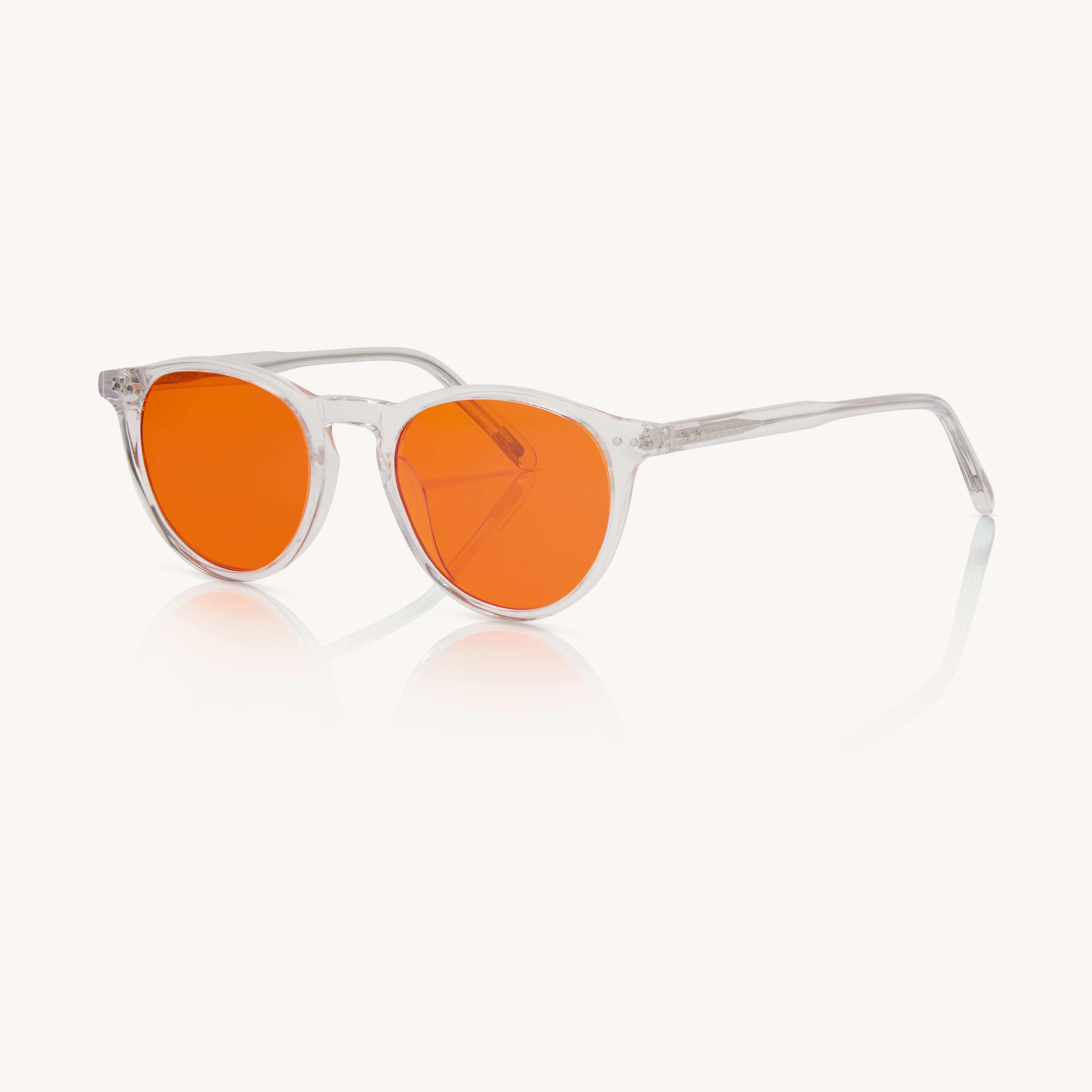
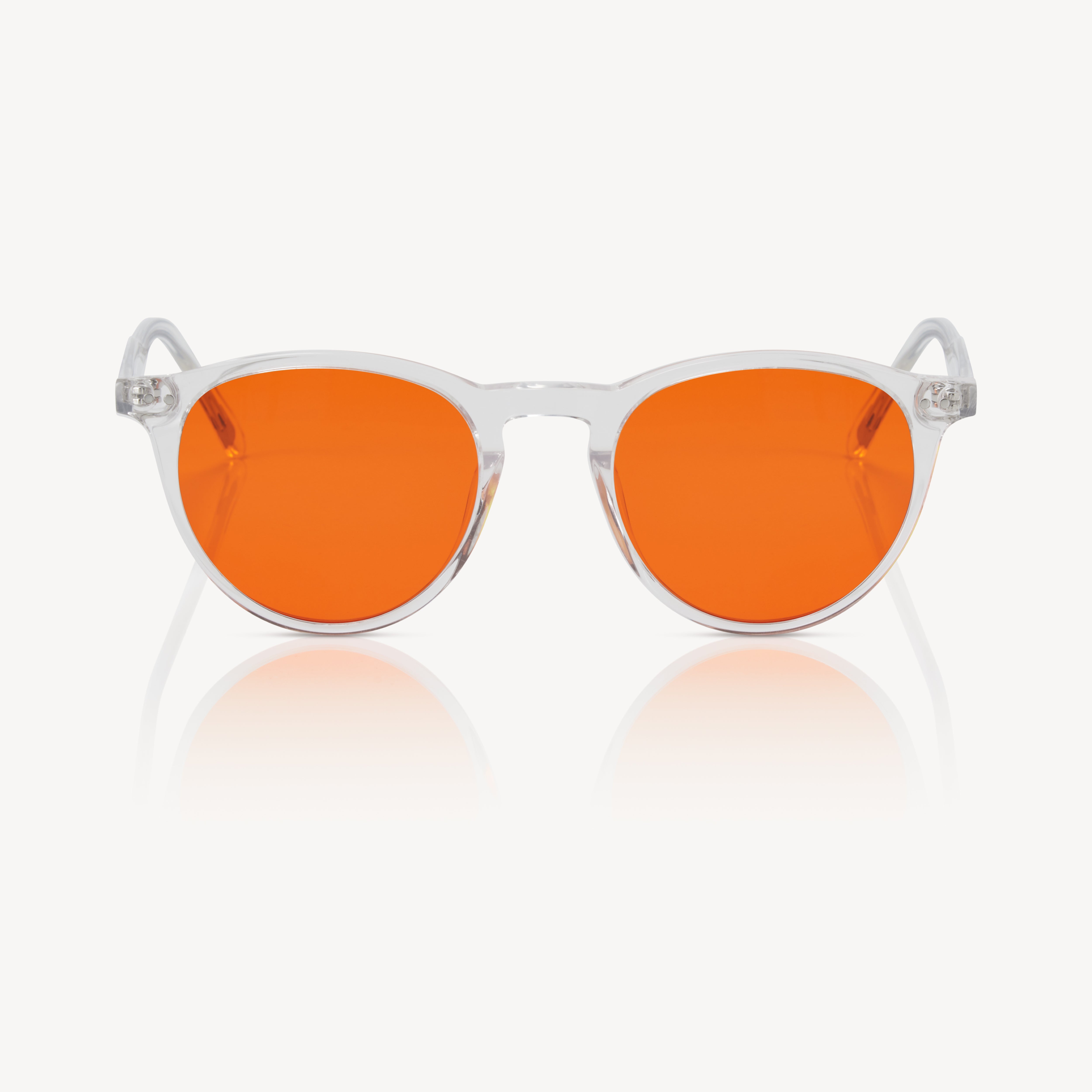
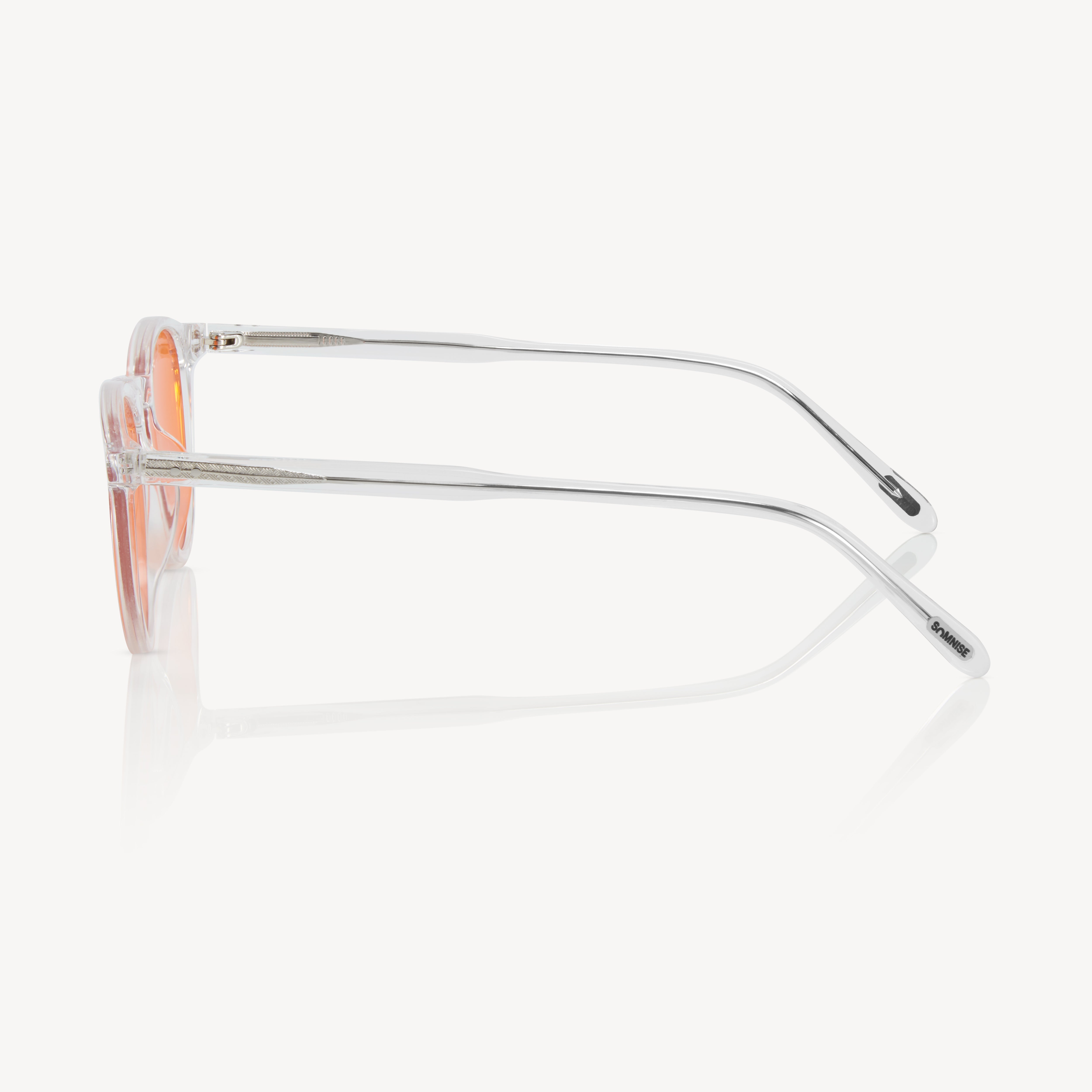
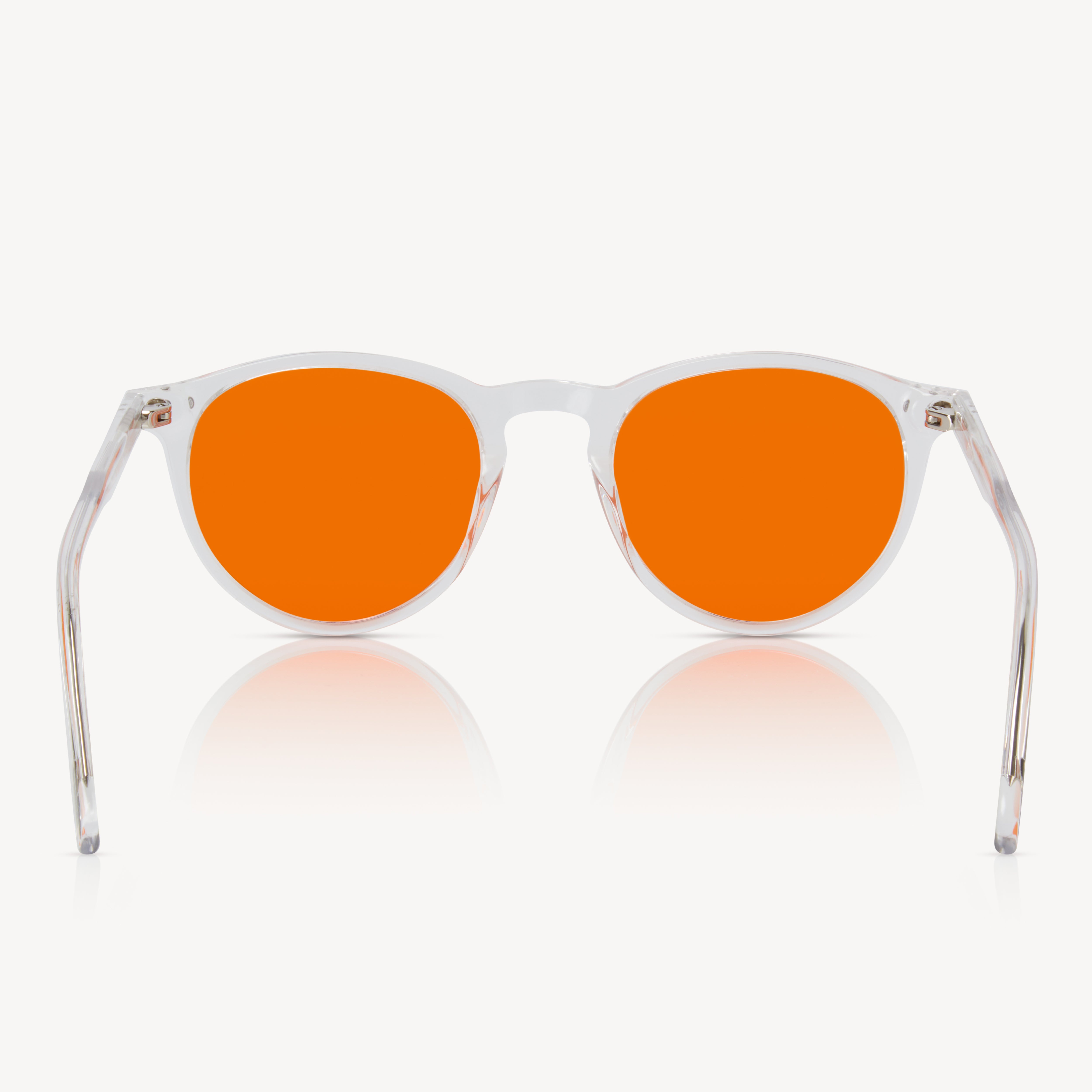
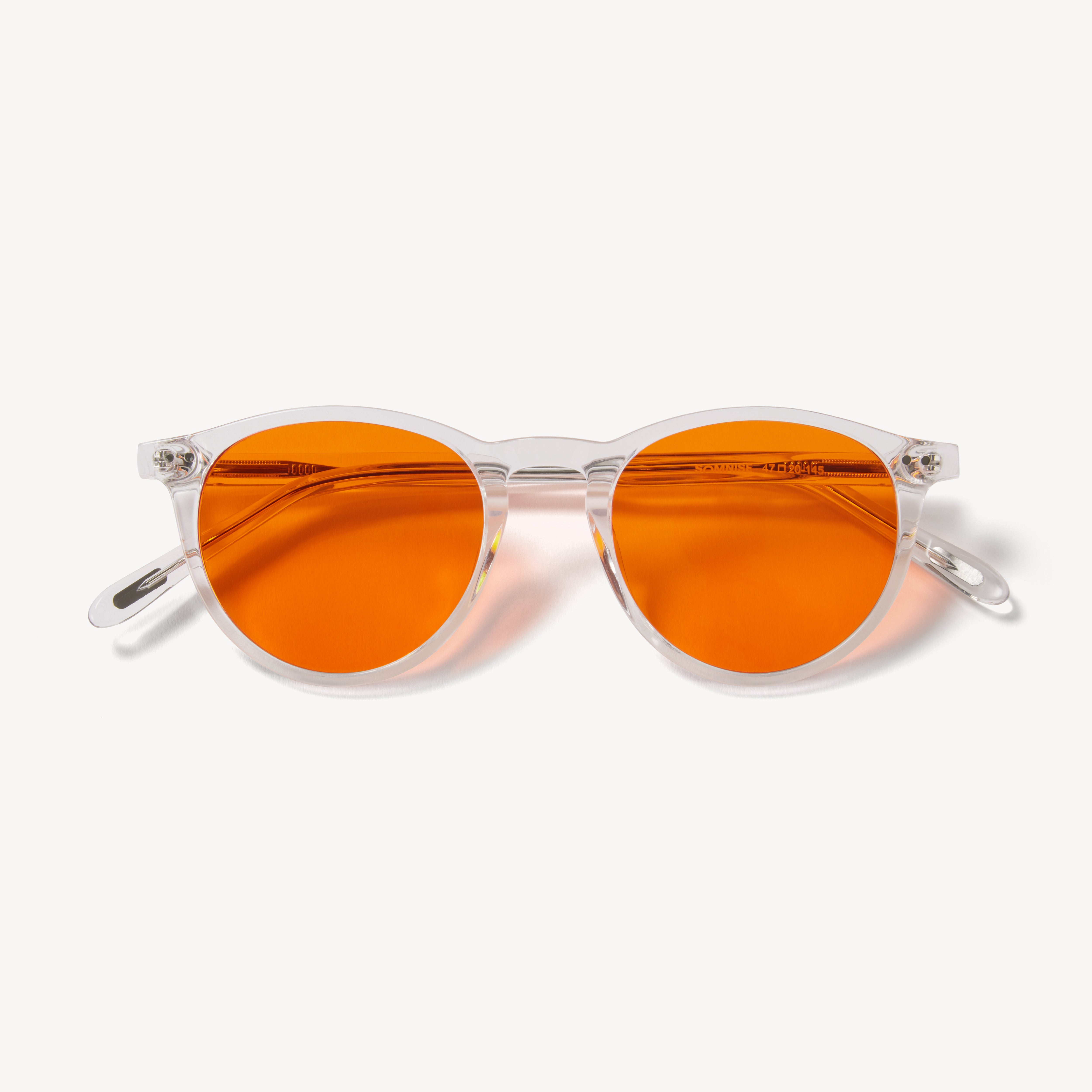
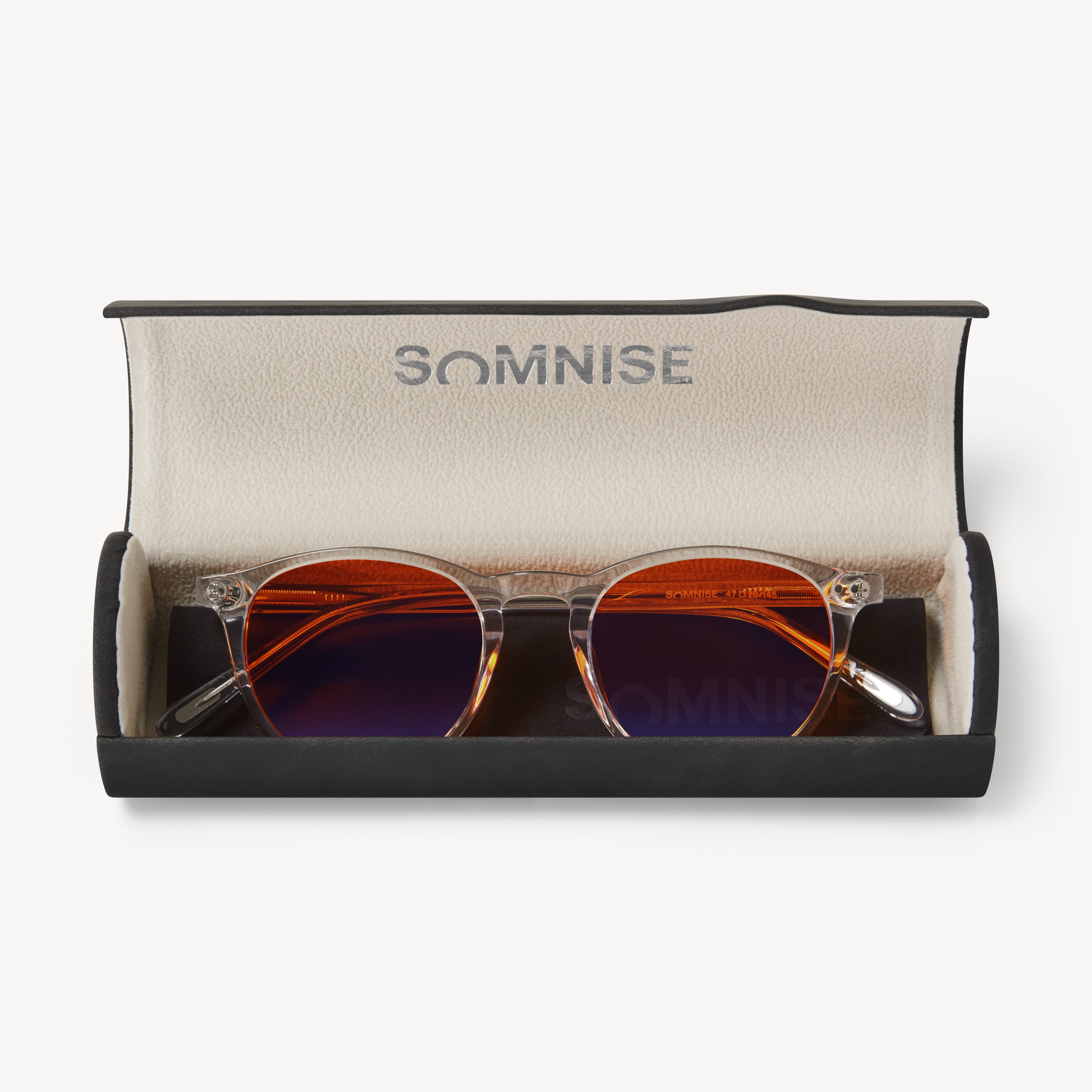
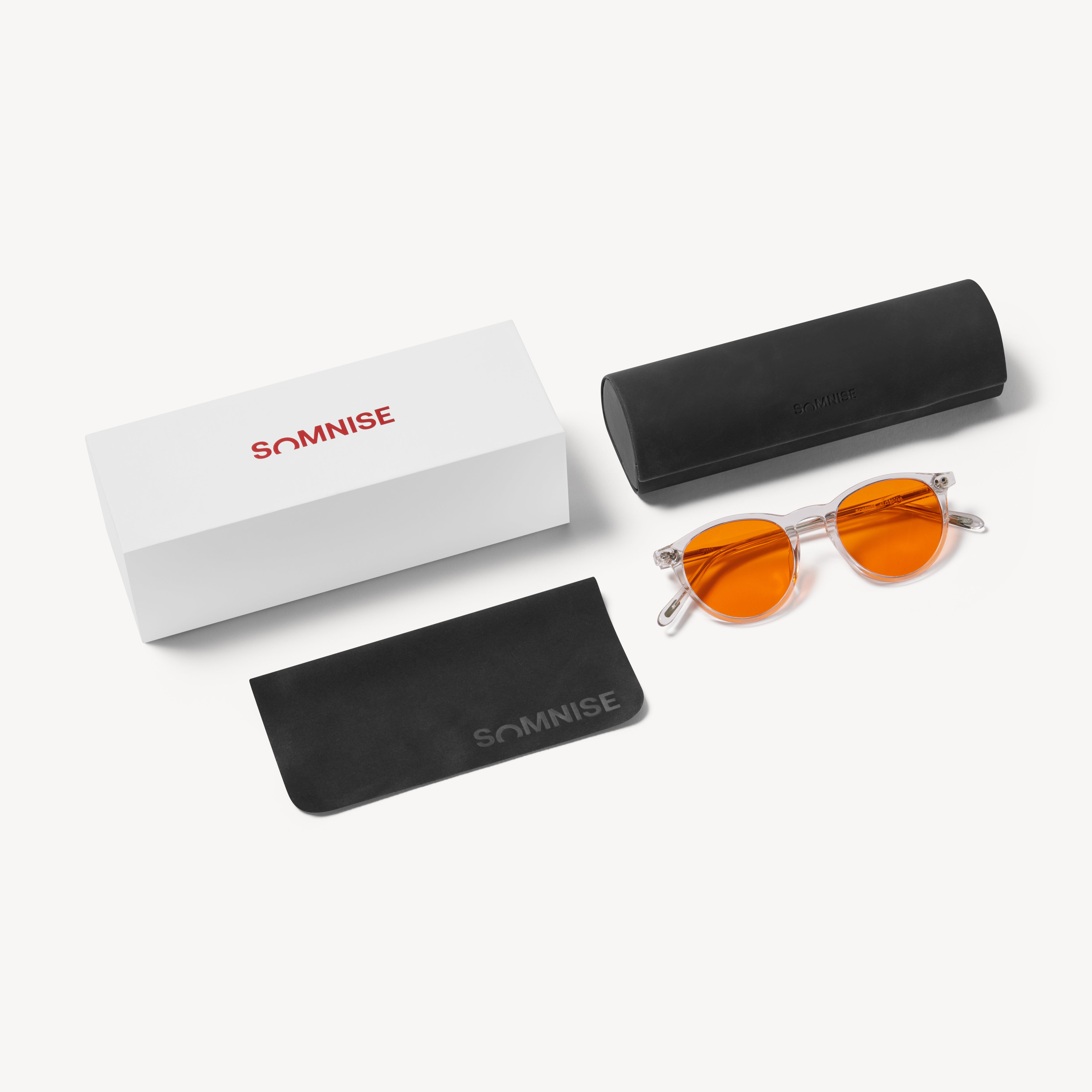
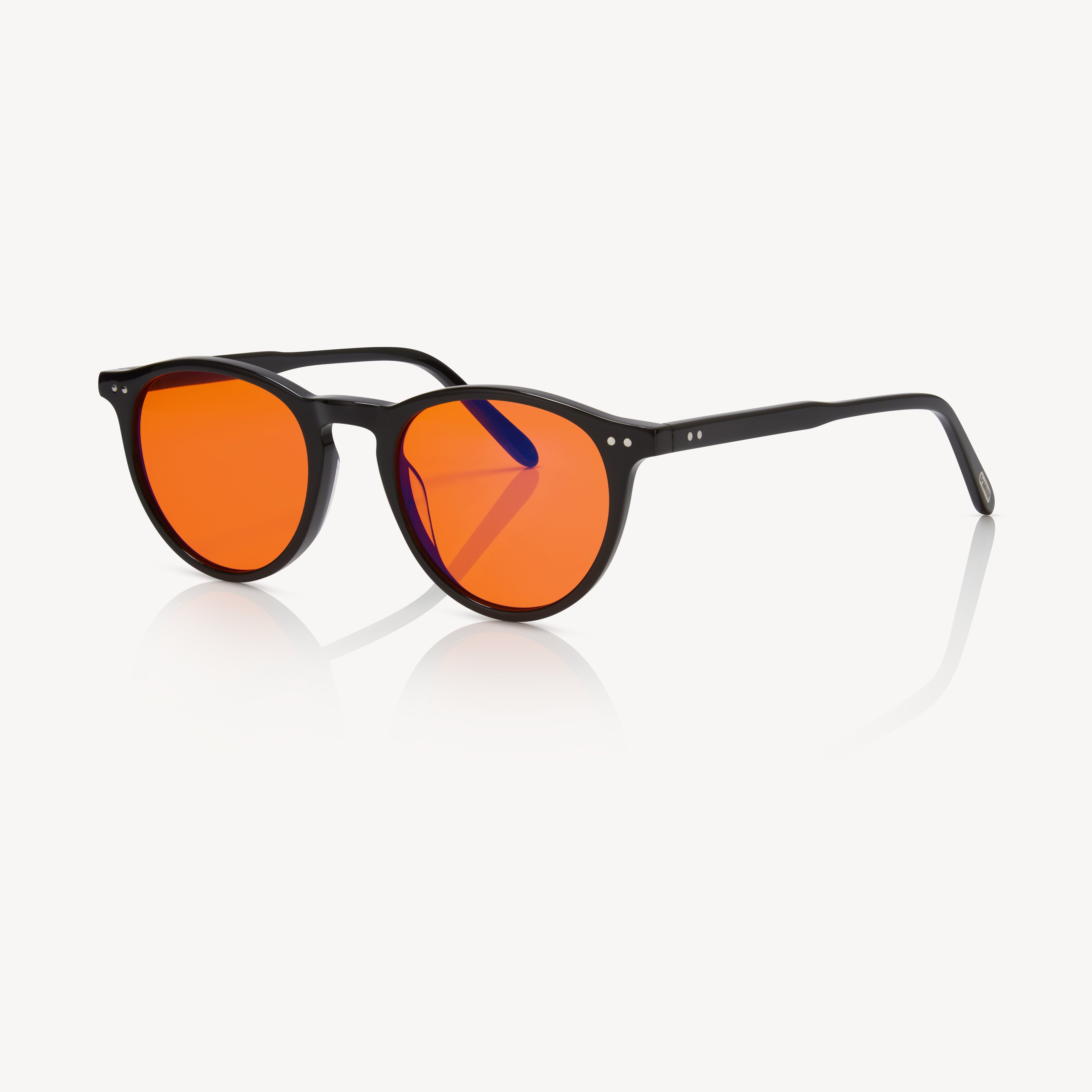
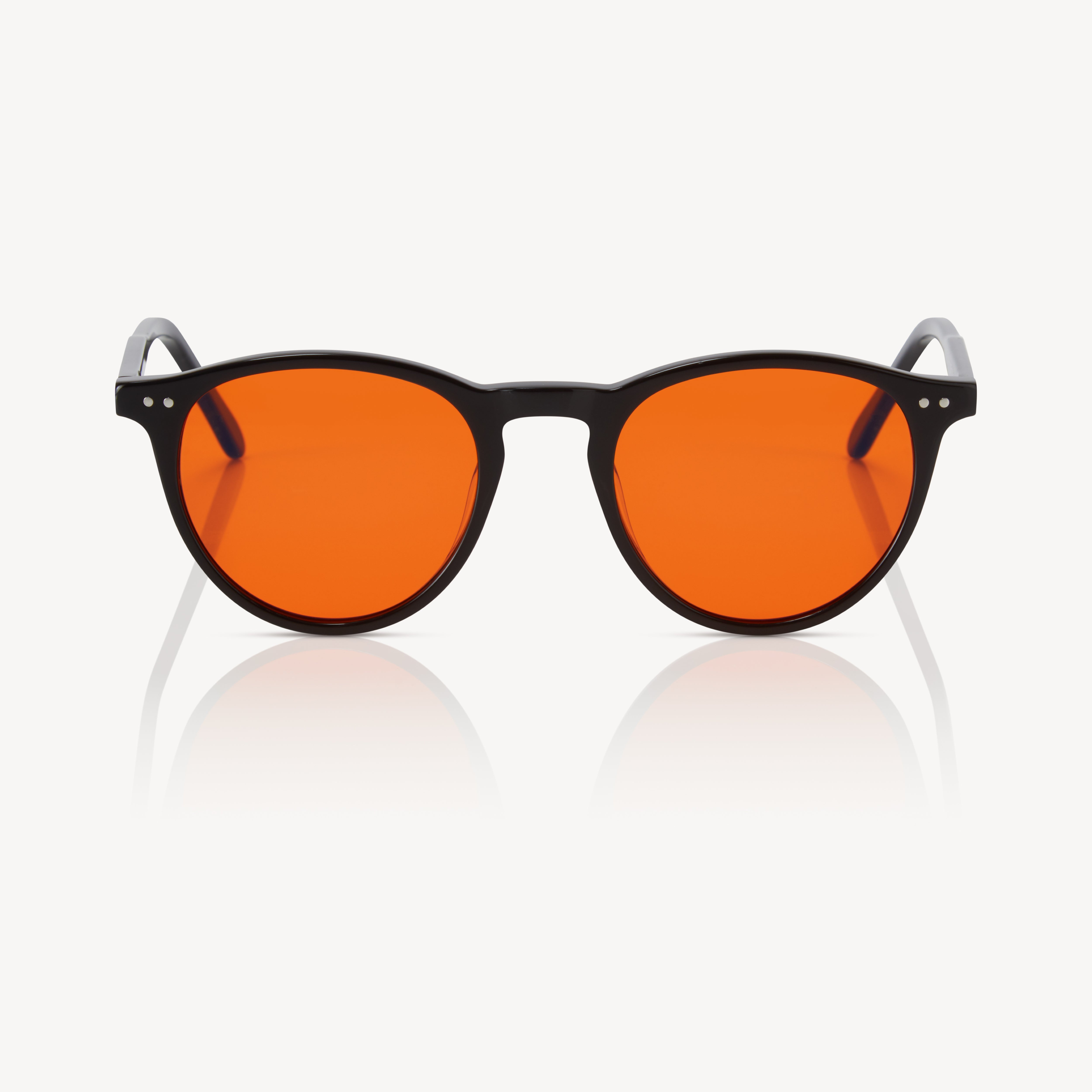
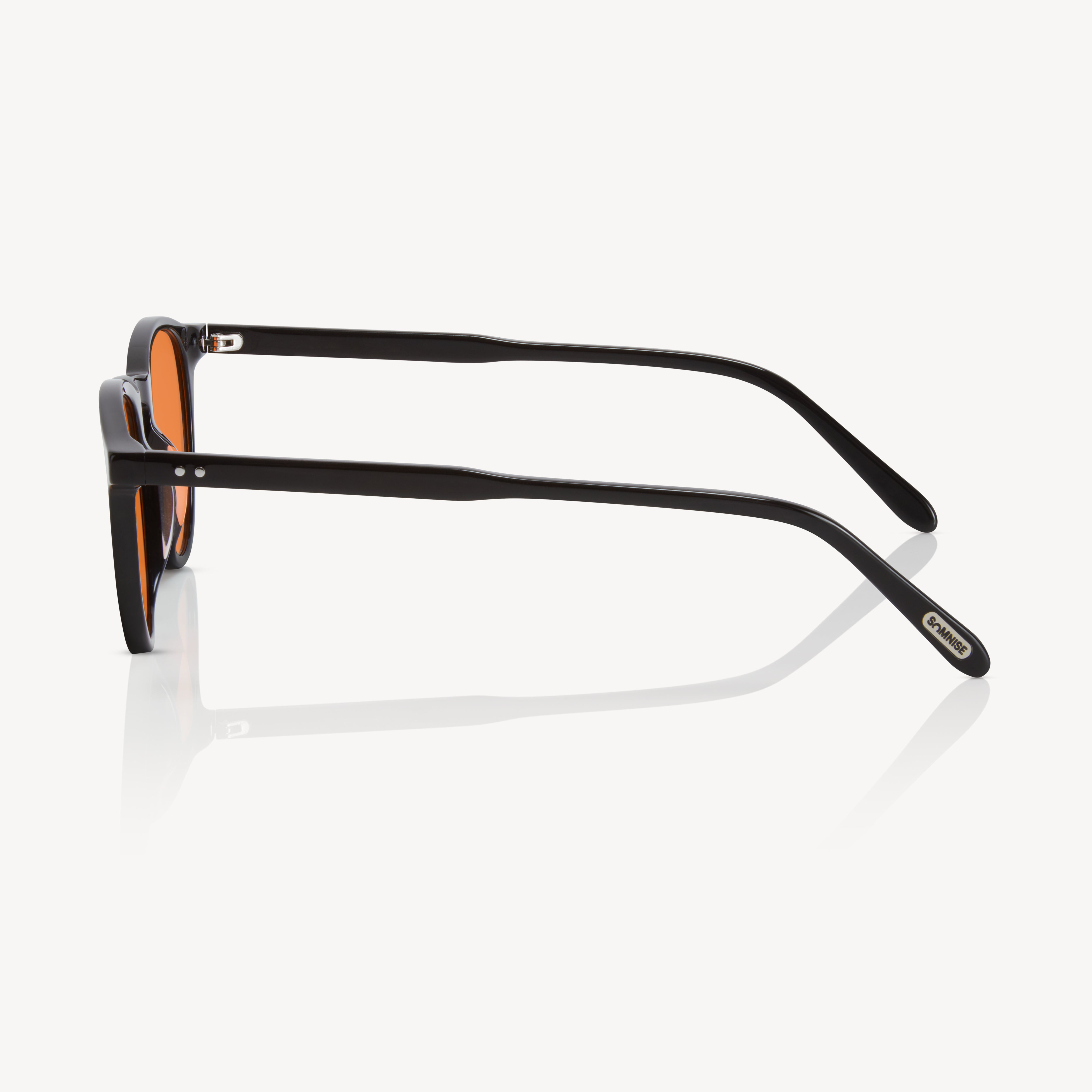
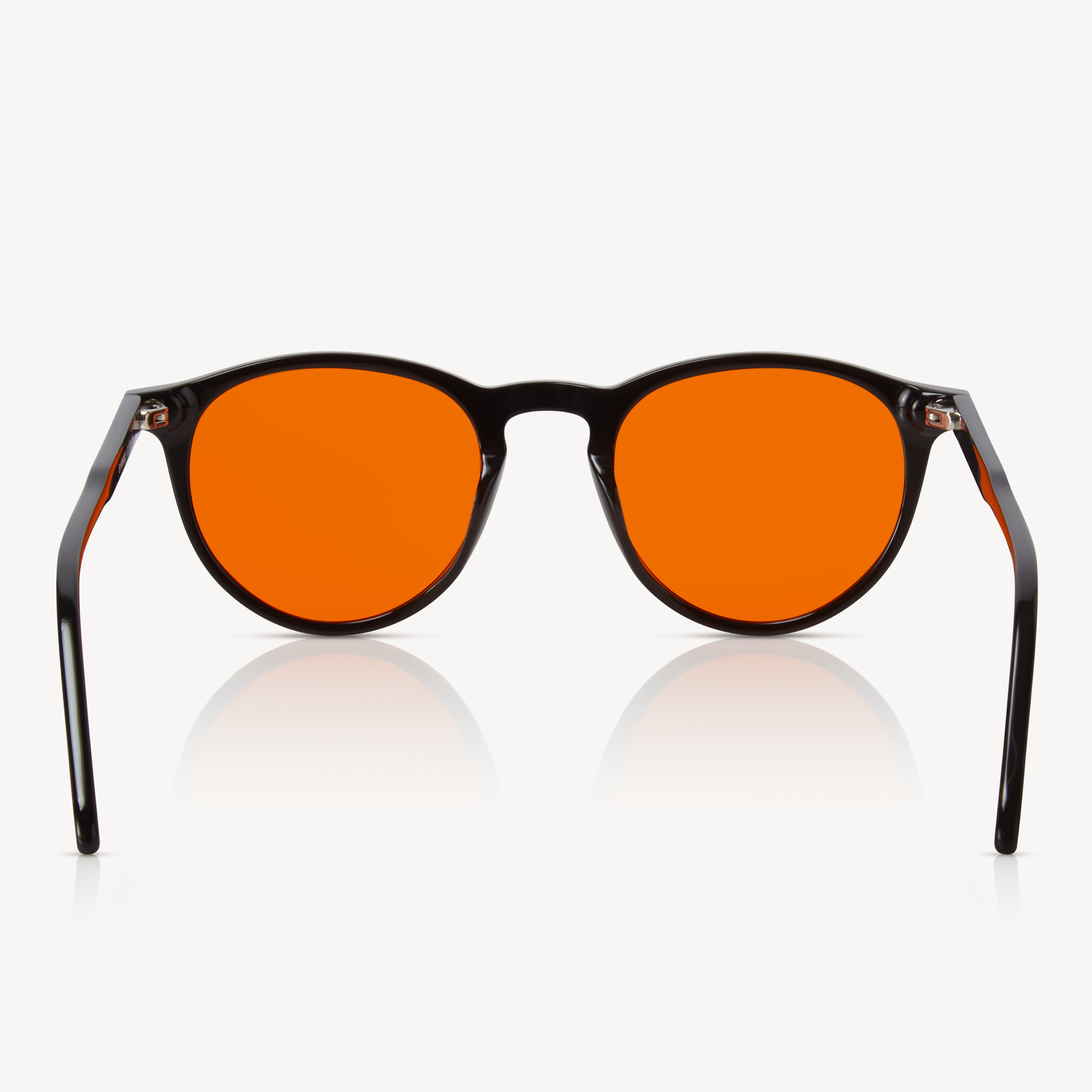
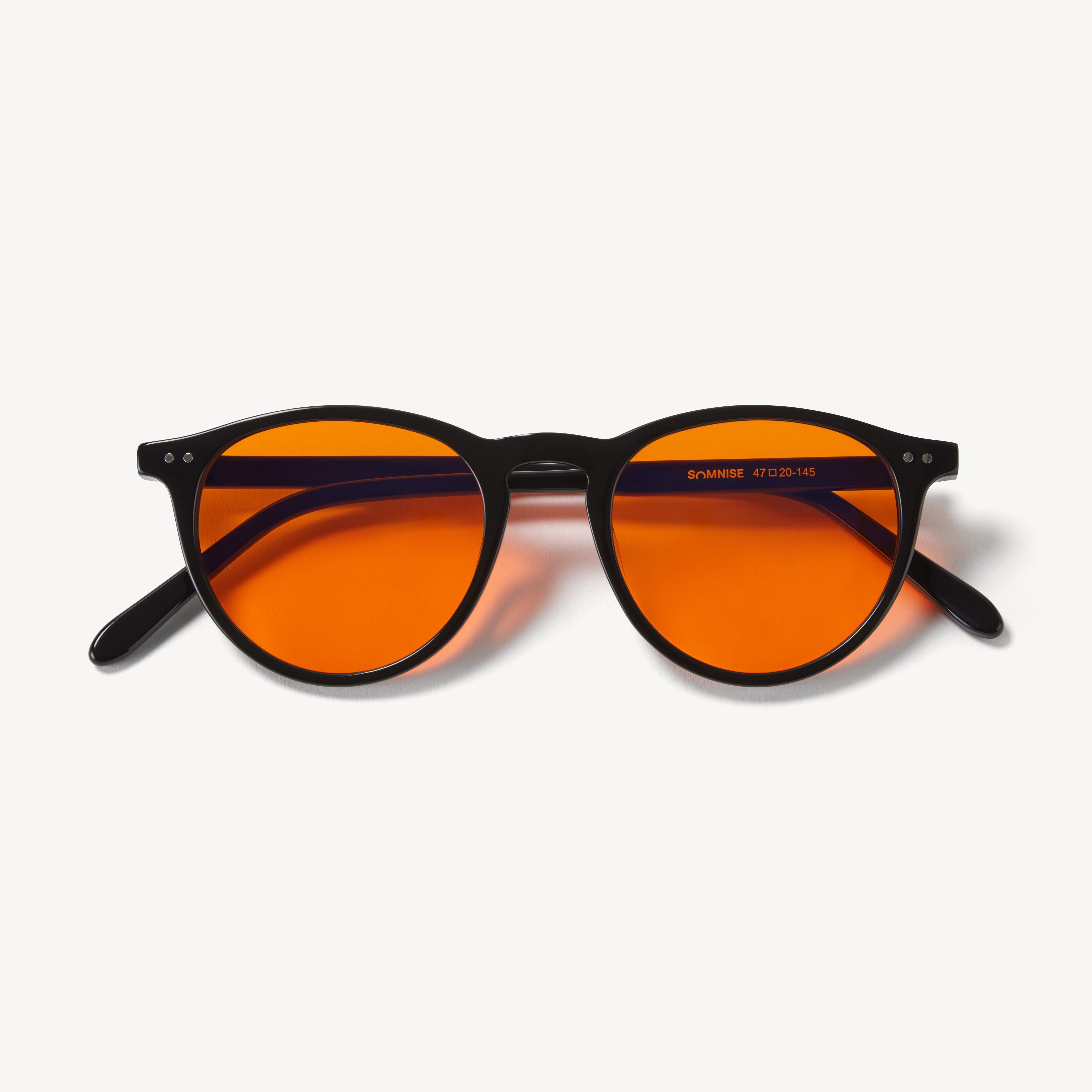
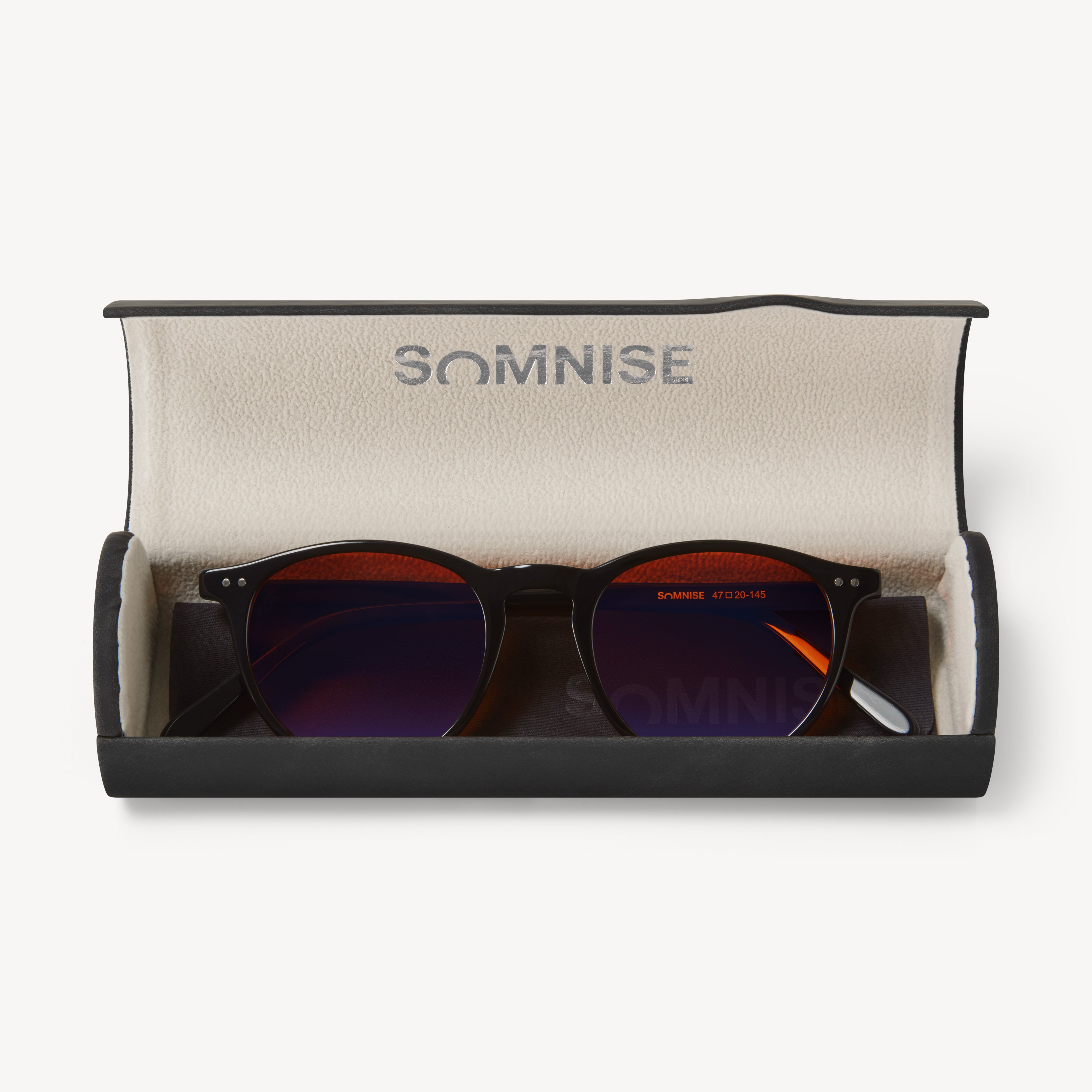
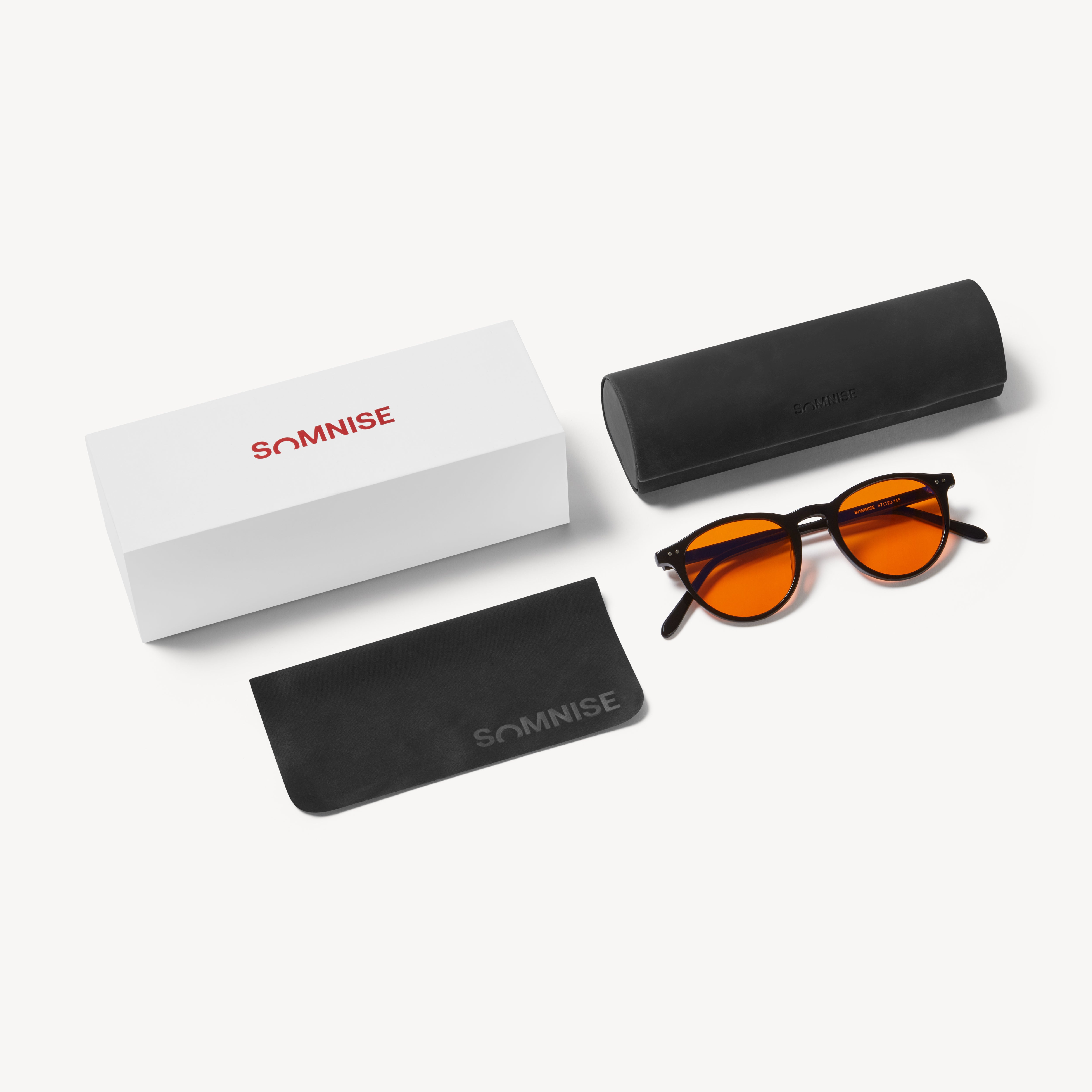
Protect your melatonin. Our premium scientifically-engineered glasses block disruptive blue wavelengths after sunset, resetting your circadian rhythm the natural way.
What Is Insomnia?
Insomnia is one of the most common sleep difficulties. It typically involves:
- Trouble falling asleep at the start of the night
- Waking during the night and struggling to fall back asleep
- Waking too early and being unable to get back to sleep
- Daytime effects such as tiredness, low concentration and low mood
Insomnia has many possible causes, and evening light exposure is just one factor worth understanding.
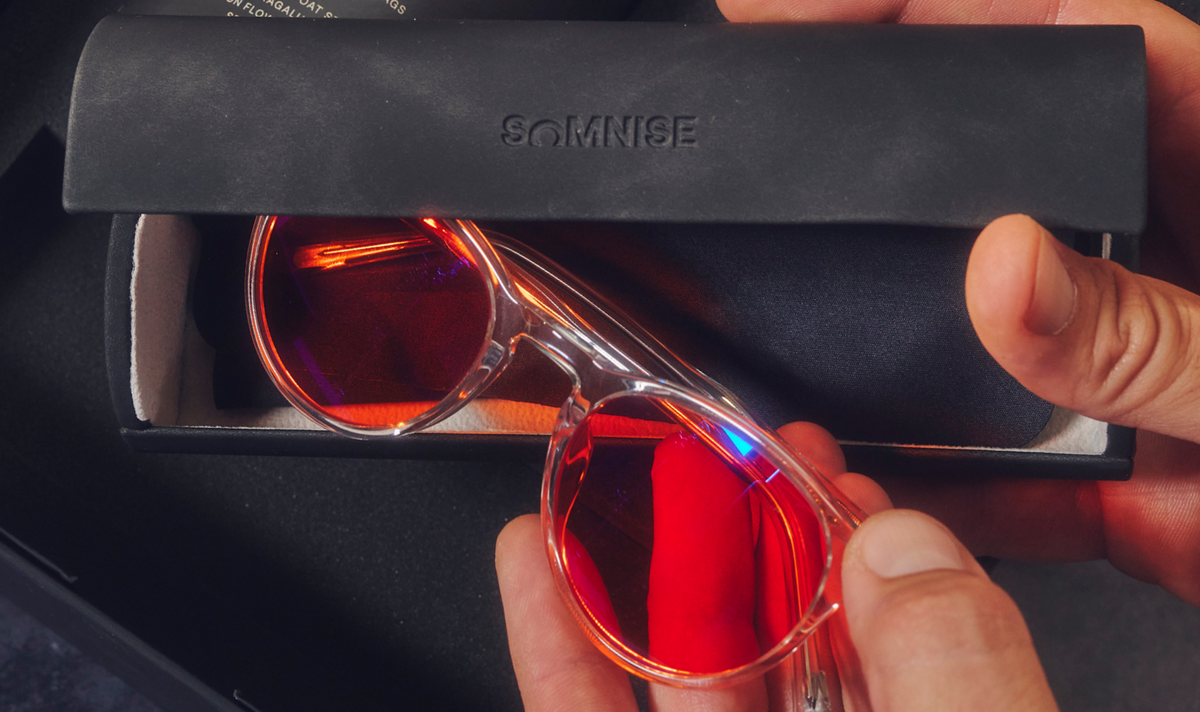
What the Research Says About Blue Light Glasses for Insomnia Specifically
The Columbia University Insomnia Trial (Shechter et al., 2018)
Fourteen adults with insomnia symptoms wore amber-tinted, blue-light-blocking lenses or clear placebo lenses for two hours before bed, over seven nights, then switched to the other pair.
- Sleep duration: Participants obtained around 30 additional minutes of sleep while wearing the amber lenses compared with the clear lenses
- Sleep quality: Participants reported improvements in sleep quality and soundness while wearing the amber-tinted lenses, compared with the clear placebo lenses.
- Insomnia symptoms: Overall insomnia severity was also reduced
Blue Light Glasses Combined With CBT-I (Janků et al., 2020)
A separate randomised controlled trial paired blue-light-blocking glasses with cognitive behavioural therapy for insomnia. Compared with placebo glasses, the active group showed a greater reduction in anxiety and an increase in subjective total sleep time.
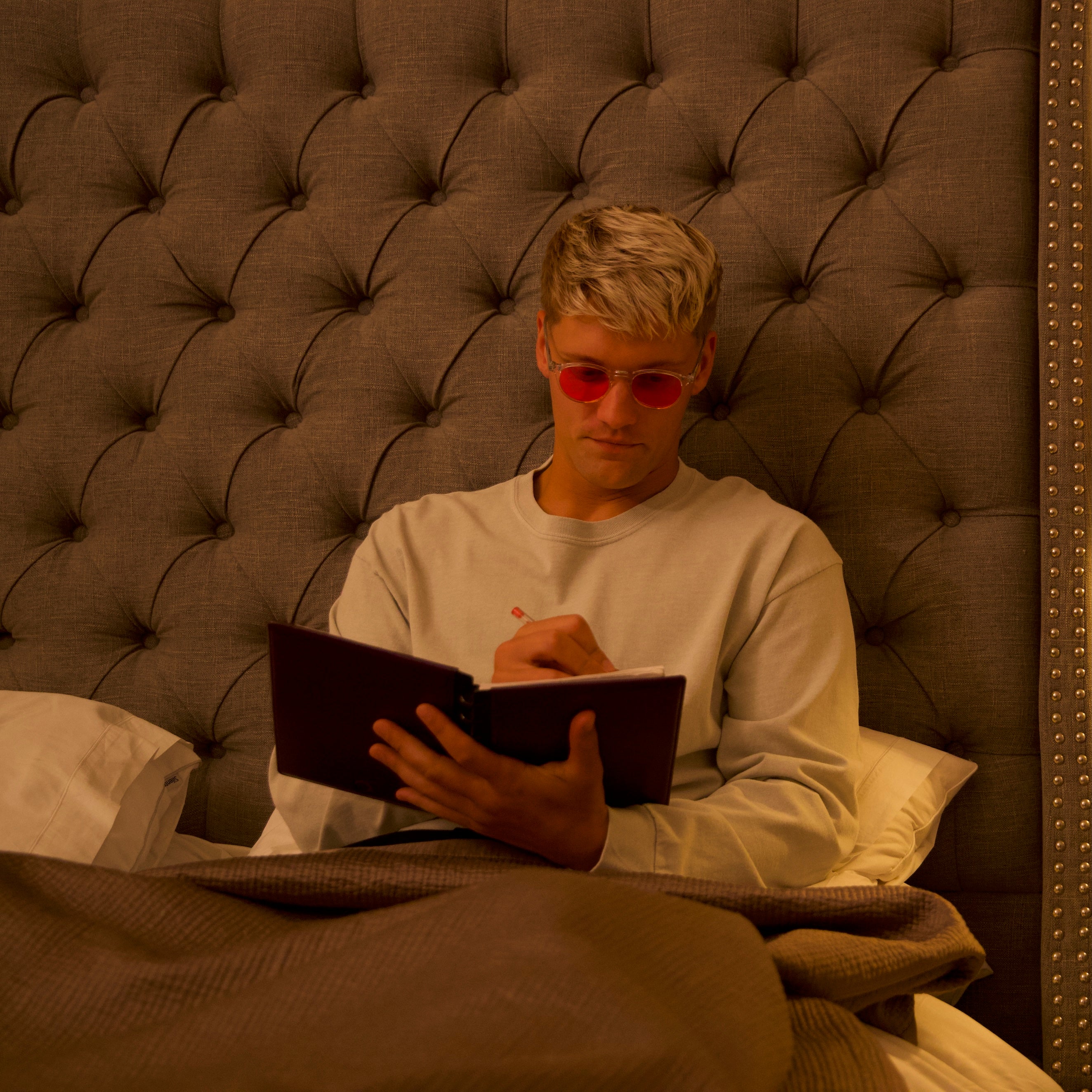
A Simple Evening Habit, Not a Replacement for Medical Care
Blue light glasses are a habit that supports a healthy evening routine. They are not a treatment for insomnia or any other sleep disorder, and they will not replace good sleep hygiene or professional care.
Speak to a GP or a qualified sleep specialist if your sleep problems are:
- Frequent: Happening most nights
- Severe: Significantly affecting how you feel or function
- Persistent: Lasting for weeks rather than the odd bad night
An optometrist can also advise on lens choice if you already wear prescription glasses.
Wearing blue light glasses in the final two to three hours before bed is a small, evidence-informed habit that fits around your existing evening routine. Explore SOMNISE's blue light blocking glasses to see the testing behind them, or read the Science page for the full research library.
Frequently asked questions
No. Blue light glasses do not cure or treat insomnia. They help reduce evening light exposure that can delay melatonin release, supporting an easier wind-down before bed. For ongoing or severe sleep problems, healthy sleep habits and professional advice from a GP remain the most effective approach.
Most research on blue light blocking glasses, including the Shechter et al. (2018) insomnia trial, used a two-hour window before bedtime. SOMNISE recommends wearing your glasses for the final two to three hours of the evening, alongside dimmer lighting, as part of your evening routine.
Yes. Peer-reviewed research shows evening blue light exposure can suppress melatonin and influence circadian timing, including studies from Basel's Centre for Chronobiology and Thomas Jefferson University. A randomised controlled trial in adults with insomnia also found amber lenses improved sleep quality and delayed wake time compared with clear lenses.
Every SOMNISE batch is independently tested using full-spectrum spectrophotometry, verifying blockage of 99.994% of blue light across the 380 to 500 nanometre range. Some blue light glasses do not provide published wavelength-specific test results, making it harder to verify exactly how much light they filter.
SOMNISE glasses were featured in the 28-day Holon Sleep Box study, a combined intervention with 31 participants that was advised by a researcher affiliated with Brigham and Women's Hospital and Harvard Medical School. Across the study, participants slept 21 minutes longer on average, and 8 in 10 reported better rest quality.
For most people, regular evening wear is generally considered low risk. Blue light blocking glasses are non-invasive, and SOMNISE glasses are designed for comfortable, everyday use during the final hours before bed, though anyone with existing eye conditions should check with an optometrist first.